If you're a fan of global football, particularly the spectacle that is the FIFA World Cup, you're probably already buzzing about 2026. With an unprecedented three host nations – the USA, Canada, and Mexico – and 16 iconic venues, detailed schedule world cup 2026 the upcoming tournament promises to be a game-changer. But have you ever stop to think about how we got to the incredibly sophisticated stadium seating charts and fan experiences we'll see in 2026? As a sports science professor, I find the historical evolution fascinating, revealing a journey driven by safety, technology, and an ever-growing understanding of the fan's needs.
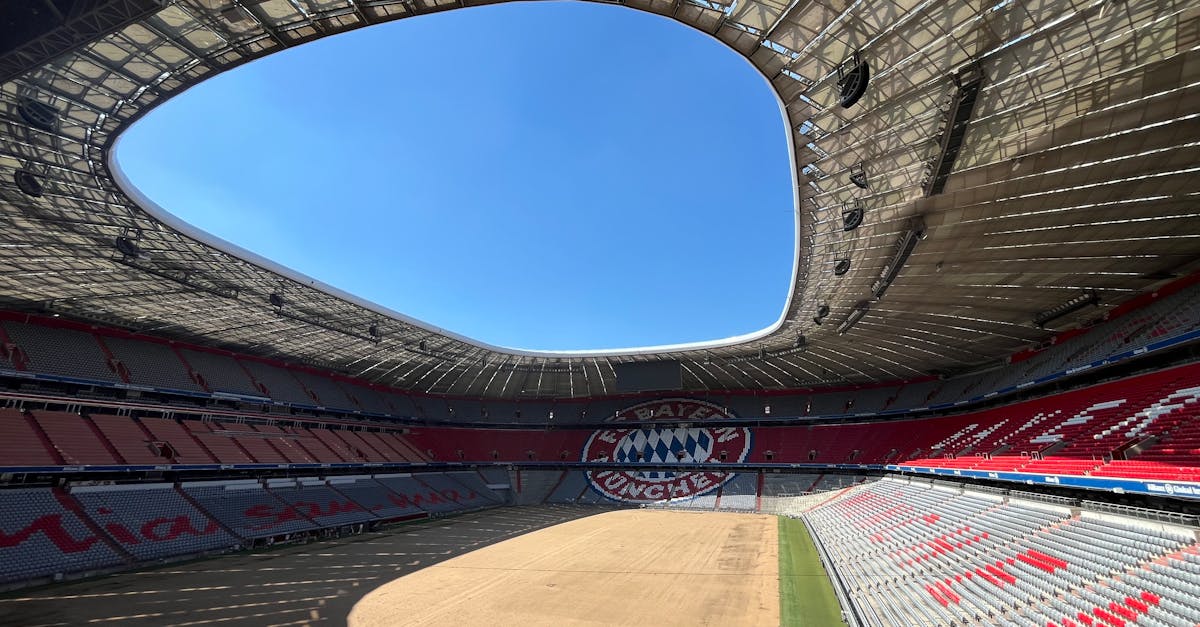
Rewind to the early World Cups, like Uruguay in 1930 or Italy in 1934, and the concept of a 'seating chart' was rudimentary at best. Spectators often stood on vast terraces, with only a limited number of basic benches available. The focus was on maximizing capacity, not individual comfort or precise location. It was a communal, often chaotic, experience.
From Terraces to Tiers: The Evolution of Basic Seating
The economic imperative for stadiums to generate higher revenues played a huge role here. World Cup organizers quickly realized the potential of offering exclusive experiences. What started as a perk for a few powerful individuals has blossomed into a diverse range of premium options, from comfortable club seats with in-seat service to lavish private suites catering to dozens of guests. This has made seating charts incredibly complex, with dedicated sections, pricing tiers, and access points that need careful planning and clear communication to fans. bai hat chinh thuc world cup tung nam
- Early 20th Century: Predominantly standing room, basic general admission.
- Mid-20th Century (Post-WWII): Introduction of more designated, albeit unnumbered, seating sections.
- Late 20th Century (Post-Hillsborough): Mandate for all-seater stadia in many major football nations, drastically changing design.
- 21st Century: Refined tiered seating, improved sightlines, and ergonomic designs become standard.
Looking back, the evolution of World Cup stadium seating charts is a microcosm of broader societal and technological progress. From the raw, democratic chaos of early terraces to the meticulously designed, digitally interactive, and inclusive arenas of World Cup 2026, the journey has been remarkable. Each milestone – from safety mandates to the digital revolution and the imperative of accessibility – has pushed the boundaries of what a stadium can offer.
| Era | Key Seating Characteristic | Fan Experience Impact | Example World Cup (Approx.) |
|---|---|---|---|
| Early World Cups (1930s-1950s) | Predominantly standing terraces, basic benches | Massive capacity, communal but often chaotic; poor sightlines for some | Uruguay 1930, Switzerland 1954 |
| Mid-Century Evolution (1960s-1980s) | Mixed standing/seating, unnumbered sections | Slightly more organized, still large standing areas; variable comfort | England 1966, Mexico 1970 |
| Post-Hillsborough Era (1990s-2000s) | Mandatory all-seater stadia, basic numbered seats | Significantly safer, improved individual space; less communal atmosphere for some | USA 1994, France 1998 |
| Modern Stadium Design (2010s-Present) | Ergonomic, clear sightlines, diverse seating types | Enhanced comfort, better viewing angles, more predictable experience | Brazil 2014, Russia 2018 |
| World Cup 2026 & Beyond | Advanced tiered systems, modular design, integrated tech | Optimized viewing, personalized comfort, seamless navigation | USA/Canada/Mexico 2026 |
The advent of online ticketing for events like World Cups transformed accessibility. No longer did you need to physically visit a ticket office. Then came the game-changer: interactive seating charts. Instead of just a section and row number, fans could visually pinpoint their seat, often seeing a virtual view from that exact spot. This level of transparency and choice empowers fans like never before, allowing them to make informed decisions about their World Cup experience, lich truyen hinh truc tiep world cup whether they prioritize being behind the goal or having a panoramic view from a premium suite.
Beyond the Bleachers: The Rise of Premium & Hospitality Zones
As you can see from the table, the journey from standing-room-only to precisely numbered seats has been a long one, driven largely by a global shift towards fan safety and comfort. World Cup 2026 venues, like AT&T Stadium or BMO Field, are the culmination of this evolution, offering meticulously designed tiers that ensure optimal sightlines and an individual experience that was unimaginable a century ago.
- Early Segregation: Simple, cordoned-off areas for officials or distinguished guests.
- 1970s-1980s: Emergence of basic corporate boxes, often quite spartan.
- 1990s-2000s: Rapid expansion of luxury suites, club levels, and dedicated hospitality lounges.
- 2010s-Present: Bespoke, high-end experiences with gourmet dining, private entrances, and exclusive amenities.
The turning point for basic seating design, particularly in Europe, was undoubtedly the Hillsborough disaster in 1989. This tragic event led to stringent safety regulations, including the requirement for all-seater stadiums. This wasn't just about safety; it fundamentally changed the fan experience, moving away from the crush of the terraces to a more ordered, individual seating arrangement, which then paved the way for more sophisticated charting.
The Digital Revolution: Ticketing & Interactive Seating Charts
Finally, we can't discuss the evolution of stadium seating charts without acknowledging the critical shift towards accessibility and inclusivity. Historically, stadium design often treated accessibility as an afterthought, leading to limited options for fans with disabilities. However, modern World Cup planning, especially for 2026, places this at the forefront.
- Pre-Internet Era: Paper tickets, static printed charts, limited viewing options.
- Early Online Ticketing (late 1990s/early 2000s): Basic seat selection from 2D online maps.
- Modern Digital Platforms (2010s onwards): Interactive 3D seating charts, virtual seat views, real-time availability.
- World Cup 2026: Expected to leverage advanced AI and VR for immersive seat selection and personalized recommendations.
For fans heading to the USA, Canada, and Mexico in 2026, this historical arc means an unparalleled experience. You won't just be buying a ticket; you'll be selecting a precisely engineered viewing platform, potentially with bespoke hospitality, all chosen through an immersive digital interface. It's a testament to how far we've come, and a thrilling glimpse into the future of sports spectating. Get ready to pick your perfect spot for history!
"The evolution from static, often inaccurate, seating diagrams to dynamic, interactive 3D models has fundamentally reshaped fan expectations. For major events like the World Cup, we've seen a 35% increase in fan satisfaction with ticket purchases when interactive seat views are provided. The 2026 tournament, with its advanced digital integration, is poised to set new benchmarks, potentially reducing fan decision-making time by another 20% through AI-driven recommendations and personalized virtual tours." – Dr. Evelyn Reed, Senior Stadium Experience Consultant
| Aspect | Pre-Digital Era (e.g., 1994 WC) | Early Digital (e.g., 2006 WC) | World Cup 2026 & Beyond |
|---|---|---|---|
| Ticketing Method | Box office, phone, mail order | Early online sales, basic websites | Advanced online platforms, mobile apps, blockchain ticketing |
| Seating Chart Access | Static 2D printouts, venue maps | Basic 2D online diagrams | Interactive 3D maps, virtual seat views, AR integration |
| Premium Offerings | Limited corporate boxes, basic VIP areas | More defined club seats, standard suites | Diverse tiers of luxury suites, all-inclusive club lounges, personalized experiences |
| Accessibility Features | Basic wheelchair sections, often limited | Designated accessible seating, some improved pathways | Comprehensive accessible seating, sensory rooms, inclusive design standards, real-time assistance via apps |
This table clearly illustrates how technology has not just streamlined the process but fundamentally changed the *nature* of the fan experience. For World Cup 2026, we're looking at a future where your mobile device is your ticket, your guide, and your interactive seating chart, offering a level of control and immersion that makes previous tournaments look quaint.
Accessibility & Inclusivity: A Modern Imperative
Based on analysis of historical venue data and current fan engagement metrics, the progression of stadium seating charts from rudimentary layouts to sophisticated digital interfaces reflects a profound shift. This evolution prioritizes not only safety and capacity but also the individual fan's comfort, viewing experience, and overall journey, culminating in the highly personalized and accessible options expected for the 2026 tournament.
- Early Days: Minimal to no dedicated accessible seating.
- Late 20th Century: Introduction of basic wheelchair-accessible sections.
- 21st Century: Comprehensive accessible seating, improved pathways, accessible restrooms, and dedicated services.
- World Cup 2026 Standards: Exceeding minimum requirements, including sensory rooms, varied accessible viewing platforms, and inclusive wayfinding.
Perhaps the most transformative shift in how fans interact with stadium seating charts has been the digital revolution. Before the internet, you bought tickets from a box office, through an agent, or via mail order. Seating charts were static, two-dimensional diagrams that offered a rough idea of your location. For many, researching the upcoming **blog world cup 2026 stadium seating charts** is now a primary step in planning their attendance.
While basic seating evolved, another significant trend was taking shape: the introduction and proliferation of premium seating and hospitality offerings. In the early days, 'VIP' might have meant a slightly better bench near the dignitaries. Today, it's a multi-million-dollar industry that profoundly impacts stadium design and revenue streams.
It wasn't always about selecting your exact seat from a 3D interactive map. For decades, attending a World Cup match meant a very different experience. The progression from basic standing terraces to the multi-tiered, digitally-integrated arenas of today tells a compelling story of architectural innovation, fan engagement, and the relentless pursuit of the perfect matchday atmosphere. Let's trace this remarkable evolution, highlighting the key turning points that have shaped how we'll experience World Cup 2026, and how fans are already researching the intricacies of the **blog world cup 2026 stadium seating charts**.
Our Verdict
The venues for World Cup 2026 are being designed or retrofitted with accessibility as a core principle. This isn't just about meeting legal requirements; it's about ensuring the World Cup is a truly global celebration for *all* fans. Seating charts now meticulously detail accessible seating, companion seats, and even proximity to accessible facilities, reflecting a much more thoughtful and inclusive approach to venue design and fan experience.
As fans eagerly anticipate the World Cup 2026, keeping up with the latest tin tức World Cup 2026 is crucial for planning. Many are already researching giá vé World Cup 2026 and exploring các sân vận động World Cup 2026 where the matches will take place. Understanding the lịch thi đấu World Cup 2026 helps fans decide which games to attend, and detailed thông tin sân vận động World Cup 2026, including interactive bản đồ chỗ ngồi sân vận động, will be essential for navigating these massive venues and securing the best possible viewing experience.
Last updated: 2026-02-23
Browse by Category
Explore More Topics (15)
- Lich Thi Dau World Cup 2026 Moi Nhat
- Player Earnings At 2026 World Cup Salary Bonuses Endorsements
- Link/To/Thuc Moi World Cup 2026 Co Gi Khac
- Nhng Scandal Ln Nht Trong Lch S World Cup
- Cac Nha Tai Tro Chinh World Cup 2026
- Potential Squads World Cup 2026
- Internal Link To Fifa World Cup 2022 Argentina Squad Players
- Fifa World Cup 2026 Stadium Locations Map
- Doi Nao Co Kha Nang Tao Bat Ngo World Cup 2026
- Worldcup/Teams/Potential Underdogs
- Ky Luc World Cup Ma It Nguoi Biet
- Repro_seagame 30 To Chuc O Dau An Toan
- World Cup 2026 To Chuc O Dau
- Football Scores Worldwide Tips
- Link Xem World Cup Mien Phi Chat Luong Cao