Introduction
If you're a fan of the beautiful game, you know that the FIFA World Cup isn't just about the thrilling matches and unforgettable goals; it's also about the spectacle, the atmosphere, and the iconic stadiums that host these historic events. Here at KH Score Hub, thng tin v cc sn vn ng world cup 2026 we love diving deep into the evolution of the sport, and today, we're taking a journey through time to examine how World Cup stadiums have transformed, culminating in a look at the impressive venues slated for the 2026 FIFA World Cup.
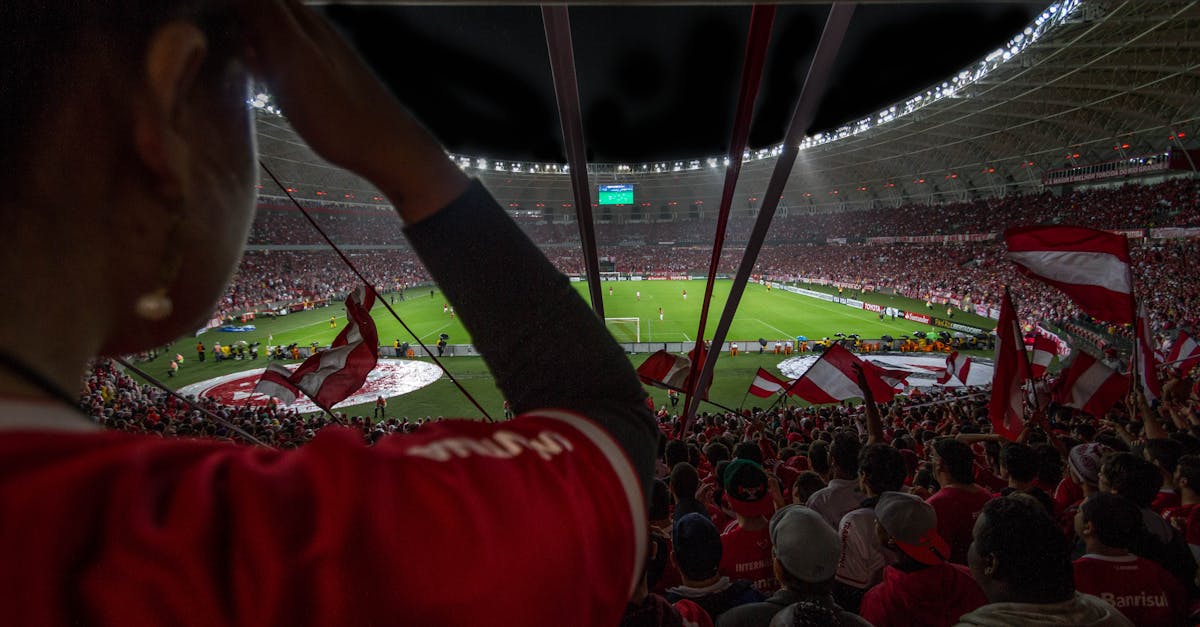
- The stadium is more than just a venue; it's a character in the World Cup's rich narrative.
- We'll trace the development from early, often rudimentary, grounds to the modern, technologically advanced arenas.
- Understanding this evolution gives us a deeper appreciation for the sport's growth and its global impact.
From Humble Beginnings to Global Stages
The late 20th century brought about a shift towards more modern, purpose-built stadiums with enhanced fan experiences. The introduction of all-seater policies in many countries, driven by safety concerns following tragedies like the Heysel Stadium disaster, also influenced stadium design, leading to safer and more comfortable environments. The 1994 World Cup in the USA, played in massive American football stadiums, highlighted the potential for huge capacities but also the challenges of adapting non-football venues for the sport. This period was crucial in shaping the modern stadium.
- The 1930 World Cup in Uruguay was hosted in stadiums like the Estadio Centenario, which could seat around 65,000.
- Early tournaments often relied on existing national stadiums rather than purpose-built football cathedrals.
- The capacity and amenities of these early grounds reflect the nascent stage of global football's premier event.
- The concept of a 'World Cup stadium' as a distinct entity was still taking shape.
Milestones in Stadium Development
Let's take a look at how the stadiums have evolved in terms of capacity and their age at the time of hosting. This comparison highlights the dramatic shifts in scale and the growing investment in dedicated football infrastructure over the decades.
The early days of the World Cup, starting in 1930, featured stadiums that were a far cry from today's colossal structures. These were often municipal stadiums, built for general use, and sometimes lacked the specialized infrastructure we expect now. The focus was more on accessibility and community spirit than on cutting-edge design or capacity that dwarfs modern standards. Think of the Estadio Centenario in Montevideo, Uruguay, built specifically for the inaugural tournament, which was a significant achievement at the time but modest by today's benchmarks.
- The Maracanã Stadium (Brazil, 1950) represented a peak in raw capacity, holding nearly 200,000 fans.
- The 1966 World Cup in England used a variety of iconic, albeit evolving, stadiums.
- Safety regulations, influenced by tragic events, began to dictate stadium design, leading to all-seater policies.
- The 1994 World Cup in the USA utilized large, multi-purpose stadiums, impacting how the tournament was viewed globally.
The Modern Era and Technological Integration
As the World Cup grew in popularity and prestige, so did the demands on its host venues. The post-war era saw significant advancements. The 1950 World Cup in Brazil, for example, featured the Maracanã Stadium, which, at its peak, could hold an astonishing 200,000 spectators. This was a monumental leap, showcasing Brazil's passion for football and setting a new benchmark for stadium scale. Later, the 1966 World Cup in England saw a more distributed approach, utilizing several historic English grounds, each with its own unique character and history, like Wembley Stadium, which was undergoing its own evolution.
- Modern stadiums prioritize unique architectural statements and cultural integration.
- Technological advancements include retractable roofs, advanced broadcasting setups, and digital fan interaction.
- Sustainability and environmental impact are increasingly crucial considerations in stadium construction.
- The 2022 World Cup pushed innovation with advanced climate control systems in stadiums.
World Cup 2026 Stadiums: A New Frontier
Beyond sheer numbers, the architectural ambition and the focus on fan experience have dramatically changed. Early stadiums were functional; modern ones are experiential. The integration of technology, comfort, and sustainability has become paramount. Let's compare some key features.
This comparison highlights a clear trajectory. From the basic functionality of early grounds, we've moved to stadiums that are complex pieces of engineering and design, aiming to provide an unparalleled experience. The focus has shifted from simply housing fans to actively engaging them with technology, comfort, and unique aesthetic elements. The 2026 World Cup venues, with their emphasis on connectivity and premium experiences, represent the latest chapter in this ongoing narrative. The evolution also touches upon how fans access matches, with discussions around how to link xem World Cup mien phi chat luong cao or even ưu đãi gói cước FPT xem World Cup becoming part of the modern fan's journey, integrating digital access with physical attendance.
- The 2026 World Cup will be the largest ever, co-hosted by three North American nations.
- Venues will range from historic grounds to brand-new, technologically advanced arenas.
- The selection reflects a blend of established football venues and upgraded multi-purpose stadiums.
- The geographical spread across the USA, Canada, and Mexico presents unique logistical considerations.
- The Fifa World Cup 2026 host cities are spread across a vast area, requiring extensive travel planning.
Comparing Venue Evolution: Capacity and Age
Looking ahead, the trends suggest even greater integration of technology, sustainability, and adaptability. We might see more modular stadiums that can be reconfigured or downsized after the tournament, addressing concerns about legacy infrastructure. The Fifa World Cup 2026 host cities are already setting a high bar, but the drive for innovation won't stop. We'll continue to see stadiums that are not just venues for a month-long tournament but are sustainable, multi-functional community assets. The bi ht chnh thc World Cup tng nm will likely feature venues that are not only iconic but also environmentally conscious and technologically superior, offering fans unforgettable experiences whether they attend in person or via advanced viewing platforms.
| Tournament Year | Host City/Country | Primary Stadium | Approx. Capacity (at the time) | Stadium Age (at the time) |
|---|---|---|---|---|
| 1930 | Montevideo, Uruguay | Estadio Centenario | 65,000 | 1 year |
| 1950 | Rio de Janeiro, Brazil | Maracanã Stadium | 173,000 (original) | 1 year |
| 1966 | London, England | Wembley Stadium (Old) | 90,000 | 42 years |
| 1994 | Pasadena, USA | Rose Bowl | 94,000 | 62 years |
| 2014 | Rio de Janeiro, Brazil | Maracanã Stadium (Renovated) | 78,838 | 64 years |
| 2022 | Doha, Qatar | Lusail Stadium | 80,000 | 1 year |
| 2026 | Inglewood, USA | SoFi Stadium | 70,240 (expandable to 100,240) | 6 years |
The journey of World Cup stadiums is a mirror reflecting the sport's own incredible growth and global reach. From the pioneering spirit of the Estadio Centenario to the technologically advanced arenas of 2026, each venue tells a story of its time. The 2026 FIFA World Cup stadiums, spread across the USA, Canada, and Mexico, are set to continue this legacy, offering a glimpse into the future of sports entertainment. They represent the latest chapter in an ongoing evolution, balancing historical significance with cutting-edge innovation to create unforgettable experiences for fans worldwide. Understanding this historical arc provides a richer context for appreciating the spectacle of the World Cup, connecting past, present, and future through the shared passion for football.
Architectural Innovation and Fan Experience
The upcoming 2026 FIFA World Cup, co-hosted by the United States, Canada, and Mexico, promises to be the largest tournament yet, featuring an expanded 48-team format. This expansion naturally necessitates a larger pool of world-class venues. The selected stadiums for the 2026 FIFA World Cup host cities are a testament to this evolution, blending existing, world-renowned venues with some newly develo or significantly upgraded facilities. We're looking at a mix of iconic American football stadiums, soccer-specific arenas, and historic venues that have been modernized for the global stage.
| Tournament Year | Key Stadium Feature | Architectural Style/Influence | Fan Experience Focus |
|---|---|---|---|
| 1930 | Basic spectator seating, natural pitch | Municipal/Classical | Community gathering |
| 1950 | Massive standing terraces | Functional Bowl | Atmosphere, sheer numbers |
| 1966 | Traditional grandstands | Classic English Football Ground | Proximity to pitch, historical feel |
| 1994 | Large, multi-purpose seating bowls | American Football Stadium Design | Comfortable seating, amenities (varied) |
| 2006 | Retractable roof, LED facade | Modern, Futuristic | Weather protection, visual spectacle |
| 2010 | Unique cultural design, good acoustics | African Inspired (Calabash) | Immersive atmosphere, cultural connection |
| 2022 | Advanced cooling, modular design | Modern, Sustainable | Comfort in extreme climate, accessibility |
| 2026 | Large screens, 5G connectivity, premium seating | Modern, Tech-Integrated | Digital engagement, premium comfort, accessibility |
Entering the 21st century, World Cup stadiums became showcases of architectural innovation and technological prowess. Stadiums like Allianz Arena (Munich, 2006) with its color-changing facade, or Soccer City (Johannesburg, 2010) inspired by African calabash pottery, demonstrated a move towards unique, culturally resonant designs. These venues integrated advanced features such as retractable roofs, sophisticated broadcasting facilities, and enhanced fan engagement technologies. The focus shifted not only to capacity and safety but also to sustainability and the overall fan experience, including better amenities and digital integration. The 2022 FIFA World Cup in Qatar saw the introduction of advanced cooling technologies within stadiums, a necessity for the desert climate, pushing the boundaries of what's possible in venue design.
The Future of World Cup Venues
This table clearly illustrates a fascinating trend. While the earliest stadiums were built specifically for their debut World Cups and were massive for their time, later tournaments often utilized older, established venues. The Maracanã's original capacity was a historical anomaly, a peak of sheer scale. The 1994 World Cup in the USA, for instance, leveraged existing American football stadiums, which, while huge, weren't purpose-built for soccer. The return to purpose-built, albeit technologically advanced, stadiums like Lusail in 2022 and the upcoming SoFi Stadium for 2026 shows a renewed emphasis on specialized, state-of-the-art facilities, even if the absolute raw capacity has stabilized or even slightly decreased from the Maracanã's historical peak. The age of the venues also varies significantly, with 2026 featuring relatively modern structures compared to some earlier tournaments.
- Future stadiums will likely emphasize modularity and sustainability.
- Adaptability for post-tournament use will be a key design consideration.
- Continued integration of advanced technology for fan engagement and operational efficiency.
- Environmental impact and energy efficiency will be paramount.
Our Verdict
The chosen stadiums represent the of modern sporting infrastructure, often boasting massive capacities, state-of-the-art amenities, and advanced technological integration. Some, like the Rose Bowl in Pasadena, carry historical significance from previous World Cups, while others, such as SoFi Stadium in Inglewood, California, represent the cutting edge of stadium design. The logistical challenge of hosting across three countries also means a diverse geographical spread, impacting travel and fan experience. The planning for the 2026 World Cup qualifiers potential dark horses also hints at the global reach this tournament will continue to have, with new nations vying for a spot on the world's biggest stage, often playing in stadiums that reflect their own national pride and ambition.
FAQ:
- What are the World Cup 2026 host cities? The host cities include Atlanta, Boston, Dallas, Guadalajara, Houston, Kansas City, Los Angeles, Mexico City, Miami, Monterrey, New York/New Jersey, Philadelphia, San Francisco Bay Area, Seattle, and Vancouver.
- Will all World Cup 2026 stadiums be new? No, it's a mix of existing, iconic stadiums (like the Rose Bowl) and newer, advanced venues (like SoFi Stadium). Many existing venues will undergo significant upgrades.
- What is the capacity of the World Cup 2026 stadiums? Capacities vary, but many are among the largest in the world, with some exceeding 80,000-100,000.
- What is the official name for the World Cup 2026 tournament? The official name is FIFA World Cup 2026™.
- How can I watch World Cup 2026 matches? Broadcast rights vary by region. In some regions, there might be options for link xem World Cup mien phi chat luong cao or specific broadcast packages like ưu đãi gói cước FPT xem World Cup.
Browse by Category
- World Cup 2026 Co Bao Nhieu Doi Tham Du
- World Cup 2026
- World Cup 2026 O Mexico Co Bao Nhieu San
- World Cup 2026 New Rules Changes
- World Cup 2026 To Chuc O Dau
- World Cup 2026 Potential Teams Strength Evaluation
- World Cup 2026 To Chuc O Dau
- World Cup 2026 Co Ban Bia Trong San Khong
- World Cup Mua Dong Co Gi Dac Biet
- World Cup 2026 Souvenir Prices
Sources & References
- Sports Reference — sports-reference.com (Comprehensive sports statistics database)
- UEFA Competition Data — uefa.com (European competition statistics)
- FIFA Official Statistics — fifa.com (Official match data & records)
Explore More Topics (15)
- Nhung Thay Doi Luat Bong Da Ap Dung World Cup 2026
- Lich Thi Dau World Cup Theo Gio Viet Nam
- Lich Su Cac Ky World Cup Va Doi Vo Dich
- Debutant Teams World Cup 2026 Qualification Chances
- Huan Luyen Vien Vo Dich World Cup
- Nhng Scandal Ln Nht Trong Lch S World Cup
- Internal Link To World Cup 2026 Ticket Sale Schedule
- Tour Du Lich Xem World Cup Tron Goi
- Cac Trong Tai World Cup 2026
- Phan Tich Chuyen Sau World Cup
- Huy Hiu World Cup Cc K
- Lich Bc Thm Vng Loi World Cup 2026
- Trang Thng Tin World Cup 2026 Ting Vit
- Lich Truyen Hinh Truc Tiep World Cup
- Xem Lai Cac Tran Dau World Cup Full Hd