The Evolution of World Cup Broadcasts: From Grainy Reels to Full HD Spectacles
If you're a fan of the beautiful game, you've likely found yourself wanting to revisit those unforgettable moments from past World Cups. The thrill of a last-minute winner, the sheer brilliance of a solo goal, or the nail-biting tension of a penalty shootout – these are the memories that define football fandom. But have you ever stop to think about how we got to the point where we can stream every single World Cup match in glorious Full HD, anytime we want? It's a journey that mirrors the sport's own global rise in popularity, moving from rudimentary broadcasts to the sophisticated, high-definition experiences we enjoy today. Let's take a trip down memory lane and see how the way we 'xem lại các trận đấu World Cup full HD' has transformed. internal link to doi vo dich world cup nhieu nhat lich su
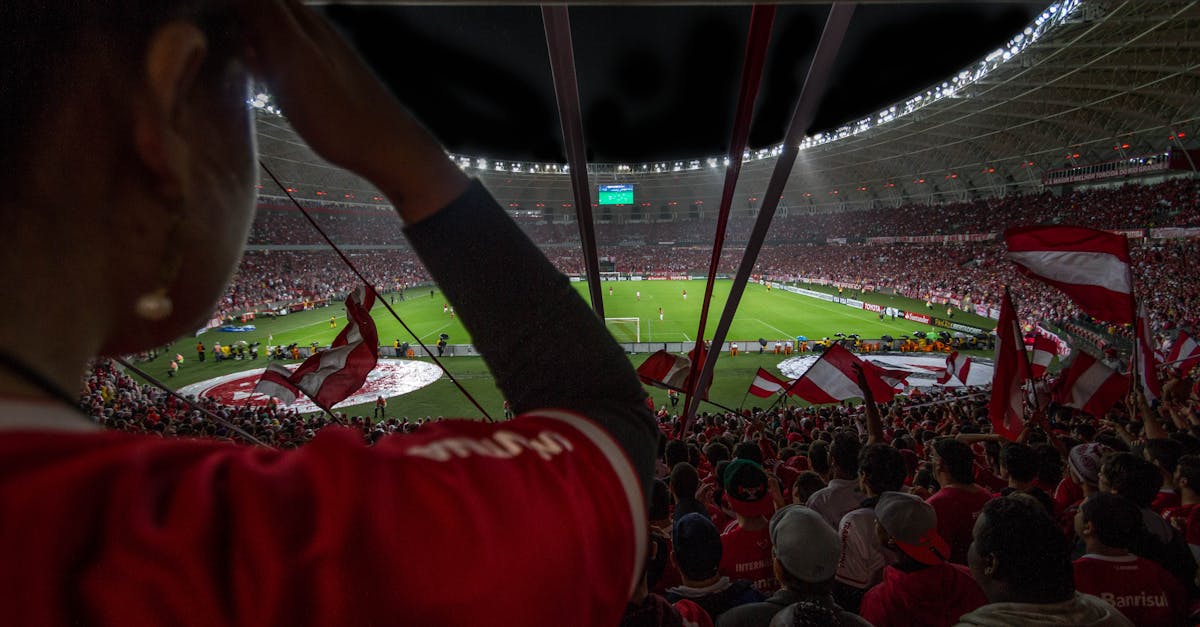
- The early days of the World Cup were marked by limited broadcasting capabilities, often relying on newsreel footage or delayed television broadcasts.
- Pioneers in broadcasting technology gradually improved transmission quality, bringing the action closer to fans around the globe.
- The advent of satellite television and later, digital broadcasting, revolutionized access and quality.
- The transition to High Definition (HD) and now 4K has been a game-changer for rewatching historical matches.
Early World Cup Broadcasts: A Glimpse into the Past
Looking ahead, the trend towards higher resolutions (8K and beyond) and immersive viewing experiences (like virtual reality) will likely continue. The way we 'xem lại các trận đấu World Cup full HD' will only get more sophisticated. We might see AI-powered analysis tools integrated directly into replays, or even personalized viewing experiences that allow fans to focus on their favorite players. The discussion around world cup 2026 ticket price comparison is exciting, but the evolution of how we consume the content itself is equally fascinating. Innovations in broadcasting technology, perhaps even leveraging tools related to phpinfo for server-side optimization or understanding network performance, will ensure that future generations can relive these moments with even greater clarity and engagement. The rules are always evolving, too, with discussions about những quy tắc mới về thay người World Cup 2026 changing the game on the field, and technology changing how we watch it.
- The 1930 World Cup had no live television broadcasts.
- The 1950 World Cup marked the first live broadcast, though it was geographically limited.
- Early broadcasts were predominantly black and white and of low resolution.
- Accessing historical footage was difficult, often requiring physical archive visits.
The Color Revolution and Satellite Era
The transition from grainy black and white footage to vibrant Full HD has been nothing short of remarkable. world cup 2026 v tng lai bng Early fans relied on limited newsreel coverage or delayed broadcasts, making it nearly impossible to relive matches with any real fidelity. The introduction of color in 1970 was a significant step, but it was the digital revolution and the widespread adoption of High Definition in the mid-2000s that truly transformed how we can 'xem lại các trận đấu World Cup full HD'. This technological leap means that iconic moments, like Diego Maradona's mesmerizing runs or Zinedine Zidane's controversial moments, can now be appreciated with stunning clarity, preserving football history in a way that was unimaginable just a few decades ago.
- The 1970 World Cup was the first to be broadcast in color.
- Satellite technology began to enable broader international coverage.
- VCR technology allowed for home recording but with significant quality limitations.
- Broadcasts remained analog, limiting the potential for high-fidelity replays.
The Digital Age and the Dawn of HD
The late 1990s and early 2000s ushered in the digital broadcasting era. This was a critical turning point. Digital transmission offered clearer signals and the potential for higher resolutions. The 2002 World Cup, co-hosted by South Korea and Japan, was the first to be broadcast in high definition by some broadcasters, though it wasn't universally adopted. The real shift towards widespread HD viewing for World Cups occurred in the subsequent tournaments. The 2006 World Cup in Germany was a significant milestone, with many broadcasters offering HD feeds. This meant that for the first time, fans could truly 'xem lại các trận đấu World Cup full HD' with impressive detail and clarity. The rise of the internet and digital streaming platforms further accelerated this, making archives of past matches more accessible than ever before. Suddenly, iconic moments from tournaments like the 1986 World Cup, or even the historic FIFA World Cup 2022 final viewership numbers, could be relived with unprecedented visual fidelity.
| Year | Key Technological Advancement | Impact on Viewing Experience |
|---|---|---|
| 1930s-1940s | Newsreels, rudimentary film | Limited access, black and white, low resolution |
| 1950 | First limited live broadcast | Geographically restricted, still low quality |
| 1970 | First color broadcast | Enhanced visual experience, more engaging |
| 1980s-1990s | Satellite TV, improved analog recording | Wider reach, but quality still variable |
| Early 2000s | Digital broadcasting, initial HD feeds | Cleaner signal, introduction of HD |
| 2006 onwards | Widespread HD broadcasting, internet streaming | High-definition viewing, on-demand access |
The modern era truly empowers fans to 'xem lại các trận đấu World Cup full HD' like never before. The shift from scarce, low-quality recordings to a vast digital library available at our fingertips is staggering. world cup 2026 bang tu than This accessibility means that the 'du doan ty so world cup hom nay' discussions can be informed by a deep well of historical context, easily accessible through replays of past tournaments. The ability to instantly recall legendary performances or tactical masterclasses, all in high definition, enriches the fan experience immeasurably. It's a testament to technological progress and the enduring global appeal of the World Cup.
The Current Era: 4K, Streaming, and Accessibility
So, how can you best 'xem lại các trận đấu World Cup full HD' today? Several avenues exist. Official FIFA archives and their associated platforms are often a good starting point, though availability can vary by region and rights. Major sports broadcasters who hold rights to past tournaments sometimes make archives available on their streaming services. Dedicated football history websites and even platforms like YouTube can host classic matches, though you'll need to be mindful of the quality – not everything labeled 'HD' is truly high definition. Look for official uploads or channels known for high-quality content. Remember to check the lich thi dau world cup tren lich google for upcoming events, but for replays, focus on archives. Some services even offer curated collections of the best goals, matches, or moments from each tournament. Keep an eye out for discussions about the cupindex strength index as these analyses often reference historical performances.
| Era | Primary Method of Access | Typical Quality | Key Limitation |
|---|---|---|---|
| Pre-1970s | Newsreels, cinema, limited TV | Black & White, low resolution, often incomplete | Availability, poor visual quality |
| 1970s-1990s | Color TV, VCR recordings | Color, but analog limitations, tape degradation | Recording effort, playback quality decline |
| 2000s-2010s | Digital TV, early streaming, DVDs | HD, digital clarity, but often physical media or limited online catalogs | Archive completeness, regional restrictions |
| 2020s onwards | On-demand streaming platforms, 4K broadcasts | Full HD, 4K, multiple angles, instant replays | Requires reliable internet, potential subscription costs |
The very first FIFA World Cups, starting in 1930, were not televised live to a global audience. In fact, many matches weren't broadcast at all. The concept of watching a football match unfold in real-time from your living room was science fiction. Early coverage often consisted of written reports and perhaps some grainy footage shown in cinemas or later, on newsreels. Think of it as the pre-internet era of sports reporting. The 1950 World Cup in Brazil saw its first live broadcast, but it was a limited affair, primarily within Brazil and Argentina. The subsequent decades saw gradual improvements, with black and white television becoming the norm. Even then, the quality was far from what we'd consider watchable by today's standards. Accessing these old matches, even with the desire to 'xem lại các trận đấu World Cup full HD', was a monumental task, often requiring visits to archives or specialized film libraries.
Navigating the Archives: Tips for Finding Full HD Replays
The 1960s and 70s brought the introduction of color television, which was a significant leap forward. While still not HD, watching matches in color added a new dimension to the viewing experience. The 1970 World Cup in Mexico is often cited as a watershed moment, being the first to be broadcast in color. This era also saw the expansion of satellite technology, allowing for more widespread international broadcasts. However, the quality still varied greatly, and recording these matches for later viewing was a cumbersome process, typically involving VCRs with limited recording times and often poor playback quality. For fans wanting to 'xem lại các trận đấu World Cup full HD', the best available was still a far cry from the crisp visuals we expect now. The development of technologies like Betacam in the 1980s improved broadcast quality, but the high-definition revolution was still on the horizon.
- Explore official FIFA channels and archives.
- Check the streaming services of major sports broadcasters.
- Utilize platforms like YouTube, but verify the quality.
- Look for curated collections of classic matches.
- Be aware of regional restrictions and licensing.
The Future of World Cup Viewing
Today, the landscape for watching and rewatching World Cup matches is vastly different. We're not just talking about Full HD anymore; 4K broadcasts are becoming increasingly common, offering even greater detail. The biggest change, however, is accessibility. Thanks to streaming platforms and robust internet infrastructure, you can often find entire matches from past World Cups available on demand. This means that if you want to 'xem lại các trận đấu World Cup full HD', you often just need a subscription and a decent internet connection. This accessibility has also led to a greater appreciation for historical matches and moments, such as the những khoảnh khắc đáng nhớ World Cup that are now readily available for analysis and enjoyment. Platforms even offer features like instant replays, slow-motion analysis, and multi-angle views, further enhancing the experience of revisiting classic games. The development of sophisticated content management systems, sometimes even involving cloud infrastructure like .aws credentials for storage and delivery, ensures these vast archives are managed efficiently.
- Expect further increases in resolution (8K and beyond).
- Virtual reality and augmented reality could offer immersive replays.
- AI integration for enhanced analysis and personalized viewing.
- Continued improvements in streaming technology and accessibility.
Our Verdict
The journey from the flickering images of early World Cups to the crystal-clear Full HD replays available today is a remarkable story of technological advancement. What was once a privilege of the few, requiring significant effort to access, is now a readily available experience for millions. The ability to 'xem lại các trận đấu World Cup full HD' isn't just about nostalgia; it's about understanding the history of the sport, appreciating the evolution of talent, and celebrating the enduring magic of the World Cup. Whether you're researching historical bì hất chính thức World Cup tăng năm or simply reliving a favorite final, the tools are now better than ever. The future promises even more incredible ways to experience these legendary moments, ensuring that the greatest games in football history remain accessible for generations to come.
Browse by Category
Sources & References
- FIFA Official Statistics — fifa.com (Official match data & records)
- UEFA Competition Data — uefa.com (European competition statistics)
- Sports Reference — sports-reference.com (Comprehensive sports statistics database)
Explore More Topics (15)
- Var Technology Explained
- Sites Default Files
- .Aws/Credentials
- World Cup 2026 Qualifiers Star Players To Watch
- Repro_truc Tiep Bong Da Viet Nam Hom Nay Kenh Nao
- Phan Tich Co Hoi Cua Viet Nam Du World Cup 2026
- Internal Link To Blogfifa World Cup All Time Winners List Country
- World Cup 2026 T Chc U
- Fan Zone World Cup 2026 O Viet Nam
- Products 202kg10138
- Cac Giai Dau Tien World Cup 2026
- World Cup 2026 Co Mo Rong Them Chau Luc Nao Khong
- Lich Su Cac Ky World Cup Va Doi Vo Dich
- Link Xem World Cup Min Ph Cht Lng Cao
- World Cup 2026 Stadiums