The World Cup's Journey: From Humble Beginnings to Global Spectacle
If you're a fan of the beautiful game, you've likely marveled at the sheer scale and drama of the FIFA World Cup. But have you ever stop to think about how this global phenomenon evolved from its nascent stages into the behemoth it is today? It's a story rich with pioneering efforts, groundbreaking moments, and, of course, a whole lot of impressive numbers. Here at KH Score Hub, we're diving deep into the historical evolution of the World Cup, looking at the stats that tell its incredible story.
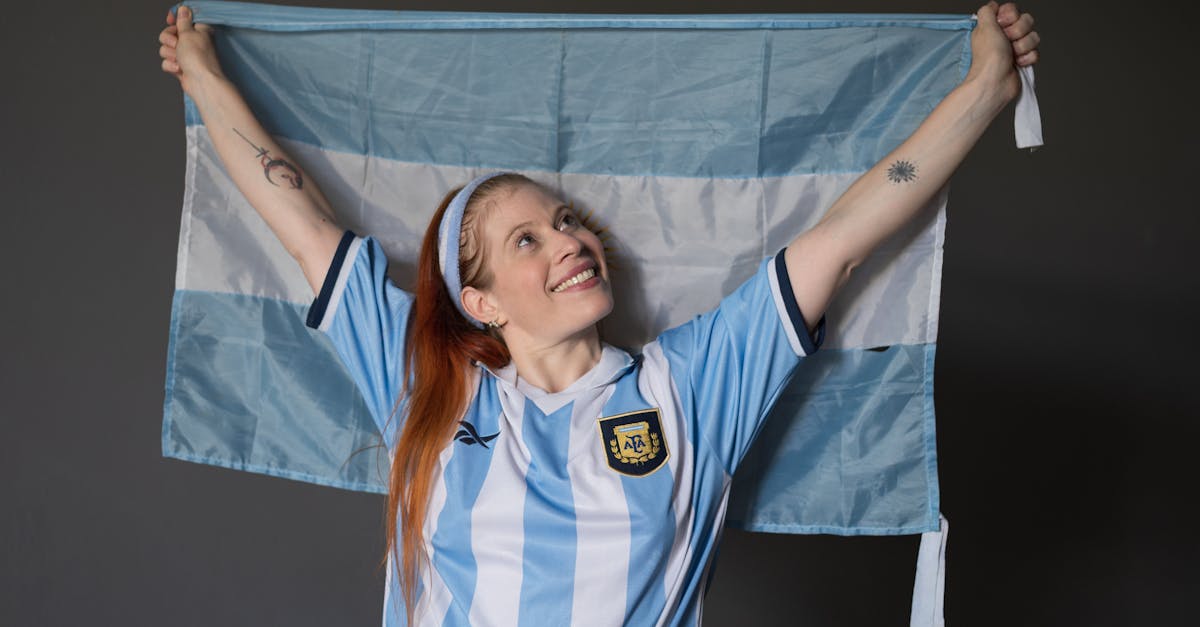
- The very first FIFA World Cup, held in Uruguay in 1930, set the stage for what would become the planet's most-watched sporting event.
- From a modest gathering of 13 teams, the tournament has expanded significantly, reflecting the sport's growing global appeal.
- The journey from 1930 to the upcoming 2026 edition is a testament to FIFA's vision and the enduring power of football.
Early Editions and the Seeds of Expansion
The latter half of the 20th century witnessed a significant expansion in the World Cup's format. The number of participating teams increased from 16 to 24 in 1982 (Spain), and then to 32 in 1998 (France). This expansion was driven by the increasing number of football federations affiliated with FIFA and the desire to include more diverse teams on the global stage. More teams meant more matches, increasing the overall excitement and duration of the tournament. The 1982 World Cup featured 52 matches, while the 1998 edition saw 64 matches. This growth also led to the development of more sophisticated scheduling and logistical planning. The upcoming FIFA World Cup 2026, to be co-hosted by the USA, Canada, and Mexico, will further expand to 48 teams, featuring a staggering 104 matches. This expansion reflects a conscious effort to accommodate more nations and potentially increase the global reach and inclusivity of the tournament. The world cup co bao nhieu doi tham du has consistently grown, showcasing the sport's universal appeal.
- The 1930 World Cup had 13 participating teams.
- Travel logistics were a major hurdle for early tournaments.
- The tournament was paused for 12 years due to World War II.
Post-War Growth and the Rise of Television
After the hiatus caused by the war, the World Cup returned in 1950 with Brazil hosting. The number of participating teams remained at 16 for several decades. This era, however, saw the crucial introduction of television. The 1954 World Cup in Switzerland is often cited as the first to be broadcast internationally, albeit on a limited scale. This was a turning point, gradually bringing the drama of the World Cup into homes around the globe. The quality of broadcast improved over the years, with advancements in camera technology and satellite transmission. The 1966 World Cup in England, for example, was seen by an estimated 400 million people worldwide, a massive leap from previous figures. This growing viewership directly influenced the tournament's commercial appeal and its ability to attract more nations to compete. The technological advancements in live broadcasting laid the groundwork for understanding the technology behind live football scores, making the game more accessible than ever.
- The 1950 World Cup marked the tournament's return after WWII.
- The 1954 World Cup was one of the first to be broadcast internationally.
- By 1966, an estimated 400 million people watched the tournament.
The Era of Expansion: More Teams, More Matches
The infrastructure supporting the World Cup has also grown exponentially. Stadium capacities have increased to accommodate massive crowds, with modern venues designed for comfort, safety, and enhanced viewing experiences. The suc chua cac san World Cup 2026 will vary, but the overall trend is towards larger, more technologically advanced stadiums. Beyond the stadiums, the concept of Fan Fests has become a key component of the World Cup experience, offering vibrant communal viewing spaces for those who can't attend matches in person. Cities selected for hosting, such as those for the FIFA World Cup 2026 fan fest locations 2026, become hubs of international celebration. These developments highlight the tournament's commitment to maximizing fan engagement and spreading the football fever across host nations and beyond. The detailed planning for events like the detailed schedule World Cup 2026 involves coordinating these numerous elements.
- The World Cup expanded to 24 teams in 1982.
- The number of teams grew to 32 in 1998.
- The 2026 World Cup will feature 48 teams and 104 matches.
Technological Leaps and Data Revolution
Looking ahead, the 2026 World Cup promises to be the biggest yet. With 48 teams and matches spread across three North American countries, the scale of logistics and fan engagement will be unprecedented. Discussions are already underway about the potential for further expansion in the future, and the integration of even more advanced technologies, from AI-driven analytics to immersive viewing experiences. The cac doi tuyen tiem nang tai World Cup 2026 will have a greater chance to compete with more slots available. The growth of women's football and the potential for co-hosting or expanding the tournament further underscore the dynamic nature of the World Cup. The continuous evolution of event management, broadcast quality (comparing so sanh chat luong hinh anh cac kenh World Cup will be fascinating in future), and fan accessibility ensures that the World Cup will remain at the of global sports entertainment. The cac san van dong se to chuc World Cup 2026 are being prepared to host this massive event.
- Broadcasting technology has evolved from B&W to HD, multi-angle coverage.
- Technologies like goal-line and VAR aim to enhance decision accuracy.
- Data analytics and real-time scores are now crucial for analysis and fan engagement.
Stadiums, Fan Fests, and Global Reach
The early days of the World Cup were characterized by a much smaller scale compared to today's mega-event. The 1930 tournament, for instance, saw just 13 nations participate. This was largely due to the logistical challenges of travel in that era, with many European teams hesitant to undertake the long sea voyage. Jules Rimet, the FIFA president at the time, was the driving force behind the tournament, envisioning a global championship that would unite nations through sport. The 1930 edition, despite its small number of teams, was a crucial milestone, establishing the format and proving the concept's viability. The subsequent tournaments in Italy (1934) and France (1938) saw a slight increase in participation, with 16 teams competing, but the impact of World War II would soon put a halt to this burgeoning event.
- Stadium capacities have grown to accommodate larger audiences.
- Fan Fests provide communal viewing experiences for fans.
- Host cities transform into global celebrations during the tournament.
Comparing World Cup Eras: Key Metrics
This table clearly illustrates the dramatic expansion in the tournament's scale. From just 13 teams and 18 matches in 1930, we see a steady increase, culminating in the massive 48-team, 104-match format for 2026. This growth reflects not only the sport's increasing popularity but also FIFA's strategic decisions to make the tournament more inclusive and globally representative. The logistical and organizational challenges involved in managing such an expansion are immense, requiring advanced planning and infrastructure development.
| Year | Host Country | Number of Teams | Number of Matches |
|---|---|---|---|
| 1930 | Uruguay | 13 | 18 |
| 1950 | Brazil | 16 | 22 |
| 1982 | Spain | 24 | 52 |
| 1998 | France | 32 | 64 |
| 2026 | USA, Canada, Mexico | 48 | 104 |
The evolution of the World Cup isn't just about numbers of teams and matches; it's also deeply intertwined with technological advancements. From the grainy black-and-white broadcasts of the mid-20th century to the high-definition, multi-camera angles and instant replays of today, broadcasting technology has transformed how fans experience the game. The introduction of goal-line technology and VAR (Video Assistant Referee) in recent tournaments has aimed to improve accuracy and reduce controversial decisions, a stark contrast to some of the FIFA World Cup 2022 referee controversies decisions that sparked debate. The digitization of data has also revolutionized how we analyze the game. Player statistics, match analytics, and real-time scoring systems, like those provided by KH Score Hub, have become integral to understanding team performance and player form. This data-driven approach extends to fan engagement, with real-time updates and social media integration making the tournament more interactive than ever. The ability to watch truc tiep World Cup 2026 tren dien thoai is now a standard expectation, highlighting the pervasive nature of mobile technology.
Technological Impact on Fan Experience
| Era | Key Broadcast Tech | Key Officiating Tech | Estimated Global Viewership (Approx.) |
|---|---|---|---|
| 1930s-1950s | Limited Radio Broadcasts | None | Millions (Radio) |
| 1960s-1970s | Early TV Broadcasts, B&W | None | Hundreds of Millions (TV) |
| 1980s-1990s | Color TV, Satellite Broadcasts | Basic Replays | Billions (cumulative) |
| 2000s-Present | HD, Multi-Camera, Online Streaming | Goal-line Tech, VAR | Billions (cumulative, increasing HD/Online) |
The second table highlights the profound impact of technology. Early fans relied on radio, while subsequent generations witnessed the transition to television, then high-definition streaming. Officiating has also seen revolutionary changes, moving from human judgment alone to incorporating technology like VAR, aiming to reduce nhng scandal ln nht trong lch s World Cup related to refereeing errors. The increasing viewership figures, even with the caveat of cumulative vs. single-match, demonstrate how technology has democratized access to the World Cup, making it a truly global phenomenon. This evolution also mirrors trends seen in other major sports, like the Premier League scores, where real-time data and advanced broadcasting are now standard.
The Future: What's Next for the World Cup?
To truly appreciate the historical evolution, let's look at some key comparative data points across different eras of the World Cup.
- The 2026 World Cup is set to be the largest in history.
- Future tournaments may see further expansion and technological integration.
- The growth of women's football could also influence future World Cup formats.
Our Verdict
The journey of the FIFA World Cup from 1930 to its projected 2026 iteration is a remarkable narrative of growth, innovation, and increasing global reach. The numbers – from the number of teams and matches to viewership and technological integration – paint a vivid picture of this evolution. What started as a continental tournament has transformed into an unparalleled global spectacle, deeply embedded in the cultural fabric of nations worldwide. The commitment to expansion, technological advancement, and enhanced fan experience ensures the World Cup will continue to captivate audiences for generations to come.
Browse by Category
- Worldcup/Teams/Potential Underdogs
- World Cup 2026 Host Nations Qualification Journey
- World Cup 2026 Tai Canada Co Bao Nhieu Tran
- World Cup/2026/Odds
- World Cup 2026 Vip Packages
- World Cup 2026 Draw Groups
- World Cup Mua Dong Co Gi Dac Biet
- Who Will Host The 2026 World Cup
- World Cup 2026 Heroes Standout Players
Sources & References
- FIFA Official Statistics — fifa.com (Official match data & records)
- Opta Sports Analytics — optasports.com (Advanced performance metrics)
- ESPN Score Center — espn.com (Live scores & match analytics)
Explore More Topics (15)
- Worldcup/Teams/Potential Underdogs
- Ky Luc World Cup Ma It Nguoi Biet
- Link/To/World Cup Va Nhung Con So An Tuong
- Repro_seagame 30 To Chuc O Dau An Toan
- World Cup 2026 To Chuc O Dau
- History Fifa World Cup Final Matches
- Football Scores Worldwide Tips
- Link Xem World Cup Mien Phi Chat Luong Cao
- Fifa World Cup 2026 Official Merchandise Store Online
- Alfa_data Alfacgiapi Perlalfa
- Cam Nang Du Lich World Cup 2026
- Cac Doi Tuyen Tiem Nang Tai World Cup 2026
- Early Predictions Favorites 2026 World Cup
- Cultural Significance Fifa World Cup Host Cities
- World Cup 2026 Mascot