Stadiums-Information-World-Cup-2026: A Look Back at the Evolution of World Cup Venues
If you're a fan of the beautiful game, you've probably marveled at the incredible stadiums that host the FIFA World Cup. But have you ever stop to think about how these colossal structures came to be? It’s a fascinating journey, really, tracing the evolution from the rudimentary pitches of the early tournaments to the technologically advanced, fan-centric arenas we see today. The World Cup 2026 is set to be a landmark event, not just for its expanded format but also for the diverse range of stadiums it will utilize across North America. Let's dive into the historical development of these iconic venues and see how they've sha the tournament and vice versa.
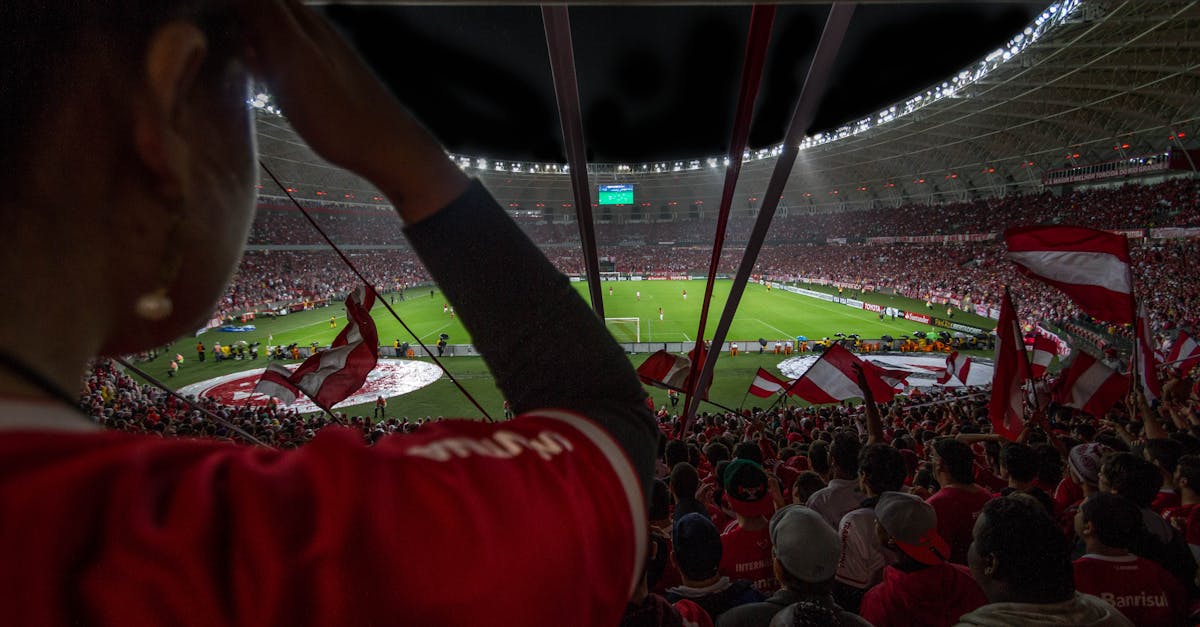
From Humble Beginnings to Global Spectacles
The FIFA World Cup 2026, co-hosted by the United States, Canada, and Mexico, represents a paradigm shift. With an expanded 48-team format and matches spread across 16 cities, it necessitates a different approach to venue selection and utilization. We're seeing a blend of iconic, historic stadiums and brand-new, state-of-the-art facilities. For example, the iconic Estadio Azteca is set to become the first stadium to host a third World Cup match. Meanwhile, venues like AT&T Stadium in Arlington, Texas, and SoFi Stadium in Inglewood, California, represent the of modern stadium design, boasting incredible capacities, advanced technology, and unparalleled fan amenities. The logistical challenges of such a widespread tournament also bring into focus fifa world cup 2026 transportation options stadiums, ensuring accessibility for a global audience.
- The 1930 World Cup in Uruguay used just three stadiums, with the Estadio Centenario being the centerpiece.
- Brazil's Maracanã Stadium, built for the 1950 World Cup, was once the largest stadium in the world by capacity.
- Early World Cup stadiums were often multi-purpose venues, not solely dedicated to football.
- The cost and scale of stadium construction have dramatically increased over the decades.
The Rise of Modern Stadium Design and Technology
The evolution of stadiums has had a profound impact on how the World Cup is hosted and experienced. Early tournaments were relatively localized affairs. Now, hosting a World Cup often requires massive infrastructure investment, dat phong khach san gan san world cup 2026 including transportation networks, accommodation, and, of course, state-of-the-art stadiums. The thong tin ve cac san van dong world cup 2026 gives us a glimpse into this; cities are competing not just to host matches but to showcase their modernity and capability. For fans, this means traveling to see international match results today often involves experiencing world-class facilities. While the cost of tickets and associated travel can be high, the quality of the viewing experience has arguably never been better. The thuc moi world cup 2026 co gi khac (what's new about the new World Cup format) also relates to this, as more teams and more cities mean a broader reach and potentially more diverse fan zones, like the rumored fan zone world cup 2026 o viet nam, connecting global fans.
- Estadio Azteca in Mexico City has hosted two World Cup finals, a unique distinction.
- The 1994 World Cup in the USA utilized large, often multi-purpose, American football stadiums.
- Focus shifted towards spectator comfort, safety, and technological integration.
- The introduction of advanced pitch maintenance and broadcasting technologies improved the viewing experience for fans worldwide.
World Cup 2026: A New Era of Mega-Venues
The very first World Cup in 1930, held in Uruguay, featured stadiums that were a far cry from today's mega-arenas. The Estadio Centenario in Montevideo, though impressive for its time and built specifically for the tournament, had a capacity of around 65,000. It was a testament to national pride and the burgeoning global appeal of football. Fast forward to the 1950 World Cup in Brazil, where the Maracanã Stadium was constructed. This behemoth, with an original capacity exceeding 150,000, was a symbol of Brazil's footballing passion and ambition, though its construction also highlighted the immense resources required for such events. The early days were characterized by building national stadiums, often with the World Cup as the primary catalyst. These venues were more about raw capacity and creating an atmosphere than the sophisticated amenities we expect now.
- The 2026 World Cup will be the most geographically widespread in history.
- Venues range from historic grounds like Estadio Azteca to cutting-edge arenas like SoFi Stadium.
- The tournament aims to leverage existing infrastructure where possible, alongside new developments.
- The expanded format requires careful consideration of travel and logistical planning for teams and fans.
Comparing Stadium Capacities Through the Ages
This table highlights the dramatic leap in technological sophistication. Early stadiums were primarily concrete structures designed for crowd containment and basic visibility. Today's venues are integrated tech hubs. For 2026, league/premier league we're looking at venues that aren't just hosting games but are actively enhancing the fan experience through digital means, blurring the lines between the physical and virtual worlds. This ongoing innovation ensures that the spectacle surrounding the World Cup continues to evolve, keeping pace with global technological advancements.
| Tournament | Host Nation | Iconic Stadium | Approximate Capacity |
|---|---|---|---|
| 1930 | Uruguay | Estadio Centenario | 65,000 |
| 1950 | Brazil | Maracanã Stadium | 150,000+ (original) |
| 1970 | Mexico | Estadio Azteca | 107,000 |
| 1994 | USA | Rose Bowl | 92,500 |
| 2014 | Brazil | Maracanã Stadium (renovated) | 78,800 |
As you can see, while the Maracanã in its original form was an outlier, the general trend in recent decades has been towards stadiums with capacities in the 70,000-100,000 range. This is partly due to safety regulations, improved seating comfort, and a move towards more premium seating options (suites, hospitality areas) which reduce raw standing-room capacity but increase revenue and fan experience. The 2026 tournament will feature a mix, with some of the largest NFL stadiums being utilized, pushing capacities back up, but with a modern focus on amenities.
Technological Advancements in World Cup Venues
To truly appreciate the evolution, let's look at how stadium capacities have changed. It's not just about getting bigger; it's about how those capacities are managed and utilized, alongside the overall fan experience. The trend has seen a move away from extreme capacities towards more manageable, comfortable, and premium experiences.
| Feature | Early World Cups (e.g., 1970s) | Modern World Cups (e.g., 2010s) | Projected for 2026 |
|---|---|---|---|
| Scoreboards | Basic flip scoreboards/simple displays | Massive LED video screens, replays | Ultra-high definition screens, interactive content |
| Connectivity | Limited or non-existent public Wi-Fi | Stadium-wide Wi-Fi, 4G/5G capabilities | Ubiquitous high-speed connectivity, 6G potential |
| Fan Engagement | Basic PA systems | Mobile apps, social media integration, in-seat ordering | AR/VR experiences, personalized content, gamification |
| Broadcasting | Basic camera angles | Multiple HD camera positions, drone cameras | AI-powered cameras, immersive broadcast options |
| Refereeing Tech | None | Goal-line technology, VAR | Enhanced VAR, potential automated offside detection |
The latter half of the 20th century saw a significant shift in stadium design. The 1970 World Cup in Mexico, for instance, was hosted at the Estadio Azteca, a marvel of engineering that could hold over 100,000 spectators. It was one of the first stadiums to truly embrace modern architectural principles and was designed to withstand the high altitude and demanding climate. Later tournaments, like the 1994 World Cup in the USA, while not always building entirely new iconic structures, showcased the adaptability of existing venues and the increasing focus on fan experience. The advent of retractable roofs, advanced turf technology, and integrated broadcasting facilities started to become more common. The technology changing World Cup experience became evident as we moved into the 21st century, with stadiums becoming sophisticated entertainment hubs.
The Impact on Hosting and Fan Experience
Beyond just size, the technological integration within World Cup stadiums has been revolutionary. From early scoreboards to today's massive video screens, Wi-Fi connectivity, and augmented reality experiences, the stadiums are now smart environments. The introduction of VAR (Video Assistant Referee) is a prime example of technology changing the game itself, and stadiums are built to support this seamlessly. For the 2026 tournament, we can expect even more sophisticated applications, including advanced data analytics for team performance, enhanced fan engagement through mobile apps, and potentially even sustainable energy solutions integrated into the stadium design. The discussion around world cup 2026 co ap dung luat viet vi ban tu dong khong (whether offside rules will be automated) also points to how technology is increasingly influencing the sport at its highest level.
- Stadium development is now a major component of a nation's bid to host the World Cup.
- Modern stadiums contribute significantly to the economic impact of the tournament.
- Fans benefit from enhanced safety, comfort, and entertainment options within venues.
- The scale of 2026 necessitates sophisticated planning for fan movement and access between various stadiums.
Our Verdict
The journey of World Cup stadiums mirrors the journey of the tournament itself – from a nascent global event to a sophisticated, technologically driven spectacle. The stadiums for World Cup 2026, spread across three nations and showcasing a blend of historical significance and cutting-edge innovation, are the latest chapter in this ongoing evolution. They represent not just venues for football matches but architectural marvels and technological showcases that aim to provide an unparalleled experience for players and fans alike. While the focus on capacity has fluctuated, the consistent trend has been towards enhanced fan experience, technological integration, and the stadium as a symbol of national or regional pride and progress. The infrastructure for 2026 is poised to set new benchmarks, continuing the legacy of these iconic sporting cathedrals.
Browse by Category
- World Cup Bao Nhiu Nm T Chc 1 Ln
- World Cup 2026 Stadiums Host Cities
- World Cup 2026 New Rules Changes
- World Cup 2026 Co Vong Bang 3 Doi Khong
- World Cup 2026 Fan Id Entry Requirements
- World Cup 2026 Draw Groups
- World Cup Tournament Format
- World Cup 2026 Betting Odds Predictions
- World Cup 2026 Dark Horses Teams To Watch
Sources & References
- Transfermarkt Match Data — transfermarkt.com (Match results & squad data)
- ESPN Score Center — espn.com (Live scores & match analytics)
- Opta Sports Analytics — optasports.com (Advanced performance metrics)
Explore More Topics (15)
- Kenh Nao Chieu Truc Tiep World Cup 2026 Tai Viet Nam
- Economic Impact 2026 World Cup Host Cities
- Thoi Tiet Cac Thanh Pho World Cup 2026
- Worldcup Travel Tips
- 2026 World Cup Fan Zones
- Repro_ty Le Ca Cuoc Phat Goc Brazil
- Emerging Stars Next World Cup
- Qua Luu Niem World Cup 2026
- Qualified Teams For 2026 World Cup
- Phpinfo
- Stadiums Information World Cup 2026
- Internal Link To Mua Ve Xem World Cup 2026 Gia Bao Nhieu
- Cac Bang Dau Vong Loai World Cup 2026 Chau A
- Internal Link To Ung Dung Cap Nhat World Cup 2026
- World Cup 2026 Nhung Doi Tuyen Nao Co Kha Nang Gay Bat Ngo